Long-Distance Cruising Without Starlink: Is It Still Possible?

Updated: Apr 22
When Joshua Slocum completed the first solo circumnavigation in 1898, he had no radio, no weather report, and certainly no internet connection. He relied on the sky, wind, instinct, and the slow arrival of letters whenever he reached a port. Even the early cruisers of the 1960s and 70s often sailed with only a compass, a sextant, and maybe a crackling HF radio if they were lucky.
Today, it’s easy to forget how normal it once was to sail thousands of miles without a connection at all.
So the question comes up often: Is long-distance cruising still possible without Starlink? The answer is: yes, but the experience is different now — and expectations have changed.
Let’s talk about that difference.
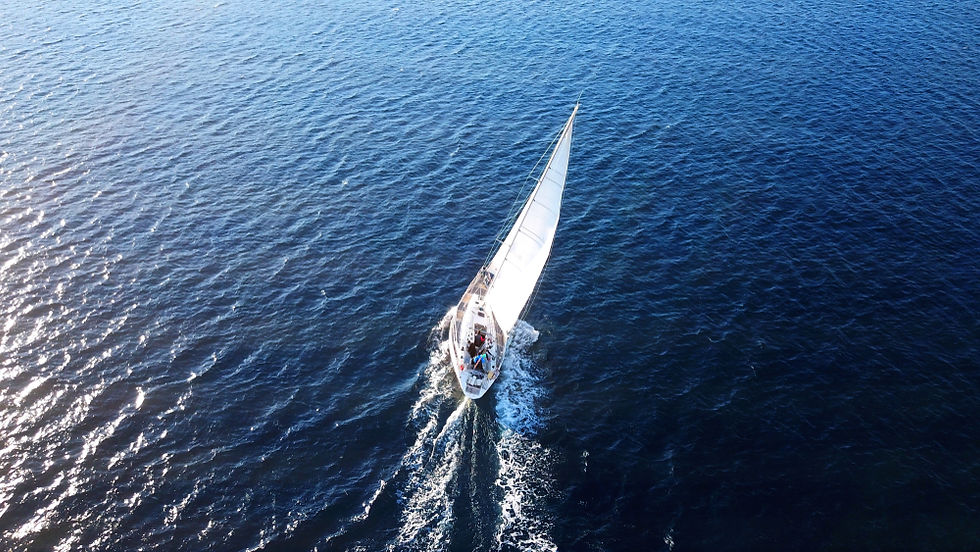
The New Normal: Constant Connection at Sea
When Starlink arrived, it changed the rhythm of cruising almost overnight. Suddenly sailors could download GRIB files in seconds, upload YouTube videos mid-ocean, keep jobs going while crossing oceans, and stay in daily touch with family no matter where they dropped anchor.
I wrote earlier about this shift in Satellite Internet for Sailors and Starlink Cost for Cruisers — because the story of sailing today is deeply connected to how we stay connected.
But here’s something important: Starlink has changed expectations, not the ocean itself. People now feel unsafe without internet access — not because the sailing changed, but because we changed.
And that brings us back to the real question: Do you actually need Starlink to go cruising?
Sailing Without Starlink: The Practical Reality
Plenty of cruisers still sail without it — especially couples, solo sailors, and old-school bluewater crews who prefer to disconnect. But they normally rely on at least one of the traditional tools:
a simple satellite messenger like a Garmin inReach
a basic satellite phone, used only for weather or emergencies
SSB radio + Pactor modem (less common now, but some love it)
shore Wi-Fi and local SIM cards whenever they reach land
This isn’t the “no communication at all” life of old circumnavigators. It’s more like “minimal communication until you get to the next port.”
And for many sailors, that’s enough.They don’t mind waiting for weather reports at certain intervals. They don’t mind not sending photos every day. They don’t mind the occasional quiet stretch of ocean where no message can reach them.
They call it freedom.
What You Lose Without Starlink
Sailing without Starlink doesn’t make you unsafe — sailors crossed oceans for generations without it. But it does change what you give up:
You can’t get instant professional weather routing
You can’t update friends and family daily
You can’t work remotely during long passages
You can’t stream anything (and honestly… maybe that’s healthy)
You must plan more carefully before offshore legs
It’s slower, quieter, and more “classic cruising.” Some people love this, some feel stressed by it. It depends on what kind of sailor you are.
If you want deep flexibility and modern comfort, I wrote a comparison of Starlink vs Iridium, OneWeb, and Mobile Boosters — useful if you're deciding between full connectivity and minimal connectivity.
What You Keep Without Starlink
You keep the things early sailors loved:
long quiet nights with only the sea around you
days without screens
fewer distractions during passages
closer attention to weather, sea state, and your own judgement
deeper connection with the boat and the journey
Long-distance cruising is still possible without Starlink. And for some sailors, it’s actually better.
Where the Ocean Reminds You: “Just Sail”
When you reach wide areas with no signal — parts of the Pacific, the middle of the Atlantic, remote anchorages in the Indian Ocean — Starlink can feel like magic.
But sailing without it reminds you of something important: You’re crossing an ocean. A real one. Not the digital version.
You listen to the waves more.
You navigate with more awareness.
You feel the passage in your body, not only on a screen.
Many cruisers say that their best memories came from the “unconnected” days.
Where Starlink Isn’t Allowed
There’s a practical layer too: You can’t always use Starlink, even if you want to. Some countries restrict it completely or partially. If you haven’t read it yet, the post Where Starlink Is Not Allowed — and Why explains how political and regulatory decisions affect cruising routes.
This alone proves that yes — you can and sometimes must sail without Starlink.
So… Is It Still Possible?
Yes.
Long-distance cruising without Starlink is still possible — and many sailors are happily doing it today.
But the sea has two types of sailors now: Those who want connection, and those who want escape. Neither is wrong. Neither is better. They are simply different ways to cross the same ocean.
The most important thing is not which internet system you choose. It’s the confidence you have in your boat, your skills, and your willingness to adapt.
Everything else — Starlink, Iridium, boosters, no connection at all — is just a tool. The ocean doesn’t care which one you use.
Finding Your Own Balance
The truth is simple: Sailors crossed oceans long before Starlink, and sailors will cross them long after it too.
If you like being connected, Starlink makes cruising easier. If you prefer the quiet, you can still sail the old way — with a bit of preparation, a simple device for safety, and a mindset that embraces slow communication.
Choose what matches your style — and your boat’s needs — not what everyone else is doing.
And if you’d like more tech talk mixed with real cruising experience, subscribe to Sailoscope for weekly posts.
Fair winds 🌊⚓
FAQ
Is long-distance cruising possible without Starlink?
Yes. The post makes clear that many sailors still cruise long distances without Starlink, using simpler communication tools and more careful planning instead.
What can sailors use instead of Starlink at sea?
Alternatives mentioned in the post include a Garmin inReach, a basic satellite phone, SSB radio with Pactor modem, shore Wi-Fi, and local SIM cards when back on land.
What do you lose by cruising without Starlink?
According to the post, you lose instant weather routing, daily contact with family and friends, the ability to work remotely during long passages, and the convenience of constant online access.
Is sailing without Starlink unsafe?
No. The article says sailing without Starlink does not automatically make you unsafe, because sailors crossed oceans long before modern internet systems existed.
Why do some cruisers choose to sail without Starlink?
The post says some sailors prefer fewer distractions, quieter passages, more attention to weather and sea state, and a deeper connection with the boat and the journey.


