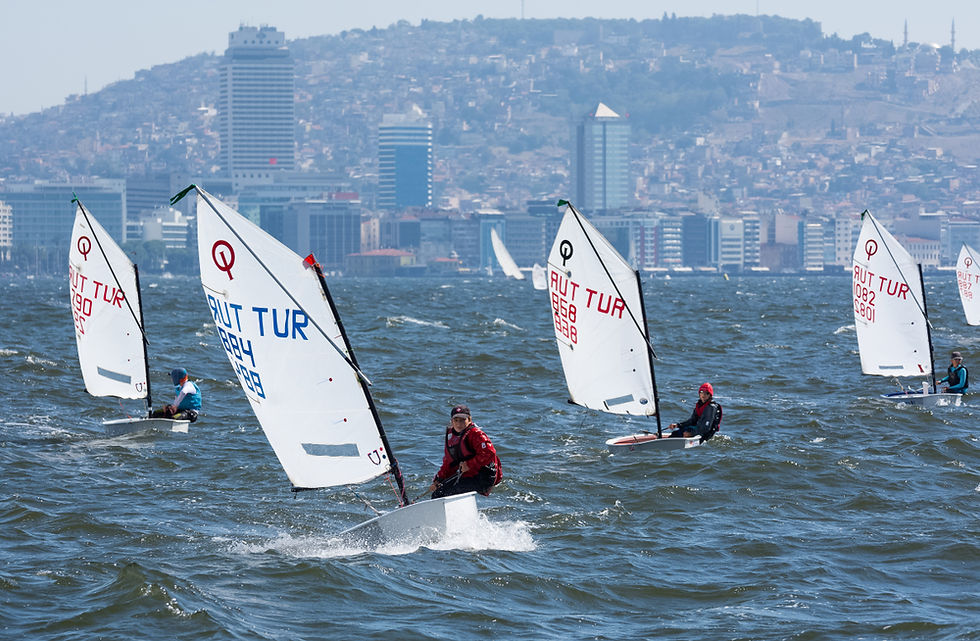
Inside the World of Amateur Sailing Races: What’s Drawing New Sailors?

Updated September 2025
There’s something electric about race day. The sound of sails catching wind. Crews shouting, but smiling. Boats so close they seem to breathe down each other’s necks.
And no — you don’t have to be a professional sailor to be part of it.
Amateur sailing races are growing. More marinas, clubs, and coastal communities are opening their races to everyday sailors — and people are signing up faster than ever. I’ve joined a few myself, and each one reminded me that competition on the water isn’t about trophies. It’s about learning, community, and adrenaline you just don’t get at anchor.

Why Are More Sailors Racing for Fun?
The truth is: sailing doesn’t have to be slow.
It’s a hands-on challenge. Racing teaches sail trim, tactics, and teamwork fast. You’re constantly adjusting, reacting, reading the wind and water.
It builds confidence. Many amateur sailors discover just how much they can handle when pushed a bit out of their comfort zone.
It’s social. Most local regattas are full of laughs, friendly rivalries, and post-race dock parties.
It’s inclusive. From pocket cruisers to family boats, there’s usually a place for everyone, regardless of experience.
From Deckhand to Helm: My First Race
I still remember my first time crewing in a local regatta. I didn’t know much, but I showed up with gloves, a hat, and a readiness to learn. I got assigned to jib trim. By the second tack, I was hooked.
Since then, I’ve raced with friends, strangers, and salty dogs who’ve taught me everything from reefing in a squall to tying a bowline blindfolded (well, almost).
Every race feels different. One day you’re ghosting along in silence, the next you’re battling 25 knots. And somehow, both leave you smiling.
What You Need to Get Started
Check local sailing clubs — Many welcome new crew, and you don’t always need your own boat.
Be honest about your skill level — Crews appreciate enthusiasm and humility over bluffing experience.
Gear up simply — A windproof jacket, non-marking shoes, gloves, and a good attitude go a long way.
Be ready to listen — Racing sharpens your sailing language and coordination.
Even if you’ve only cruised casually, don’t rule yourself out. These events are built to welcome sailors who want to learn and challenge themselves.
Why It’s About More Than Winning
Sure, someone takes home a trophy. But for many of us, the real reward is what racing teaches: quick thinking, tighter teamwork, and a deeper respect for wind, water, and each other.
And afterward? There’s usually a cold drink, sea stories, and the quiet buzz of adrenaline that stays with you long after you’re back on shore.
So if you’ve been wondering whether racing is "your thing," here’s a little secret: If you love the sea and you’re curious — it probably is.
Racing Forward
Whether you race your boat for fun, passion, or competition, amateur sailing is alive and changing. From classic weekend regattas to all-night endurance challenges, there’s space for many types of sailors. The new events in 2025 remind us that the spirit of racing is still about crew, wind, strategy—and heart.
And if you want to look beyond local regattas and see the bigger racing world that inspires so many sailors, you may also enjoy Top 10 Famous Sailing Races of the World.
❓ FAQs About Amateur Sailing Races
Can anyone join an amateur sailing race?
Yes, many local clubs welcome new sailors. Some races even let beginners crew with more experienced skippers to learn along the way.
Do I need my own boat to race?
Not always. Many clubs offer “crew wanted” boards where boat owners look for extra hands. Some fleets provide shared boats, especially in dinghy classes.
What is the difference between amateur and professional sailing?
Amateur sailing is usually club-based and not for prize money. Professional sailing involves sponsorships, high budgets, and crew who race as their career.
Are amateur races only for dinghies?
No. While dinghies are popular, there are also keelboat regattas, one-design fleets, and even offshore races open to Corinthian crews.
What’s new in amateur sailing in 2025?
More events are standardizing boats to keep racing fair, and endurance formats like 24-hour dinghy races are gaining attention.