Ocean Giants Under Threat: How Yachting Can Support Marine Conservation

Updated September 2025
They share the water with us
Whales, dolphins, orcas — they’ve always been part of what makes the sea so special. For anyone who spends time on the water, spotting a fin or a tail off in the distance is the kind of thing you never forget. But the truth is, these ocean giants are facing more threats than ever before, and many of those dangers come from human activity — including from boats like ours.
This isn’t about guilt. It’s about awareness, and small actions that can lead to better habits out there. If we love the sea, we have a role to play in helping protect it — and the creatures that call it home.

What’s really going on?
Most people don’t mean to harm marine animals, but many things we do without thinking have an impact. Some of the main issues are:
Noise: Underwater sound from engines and sonar can mess with how whales and dolphins communicate, migrate, or find food.
Ship Strikes: When boats are moving fast through areas where whales travel, collisions can happen — and they’re often deadly.
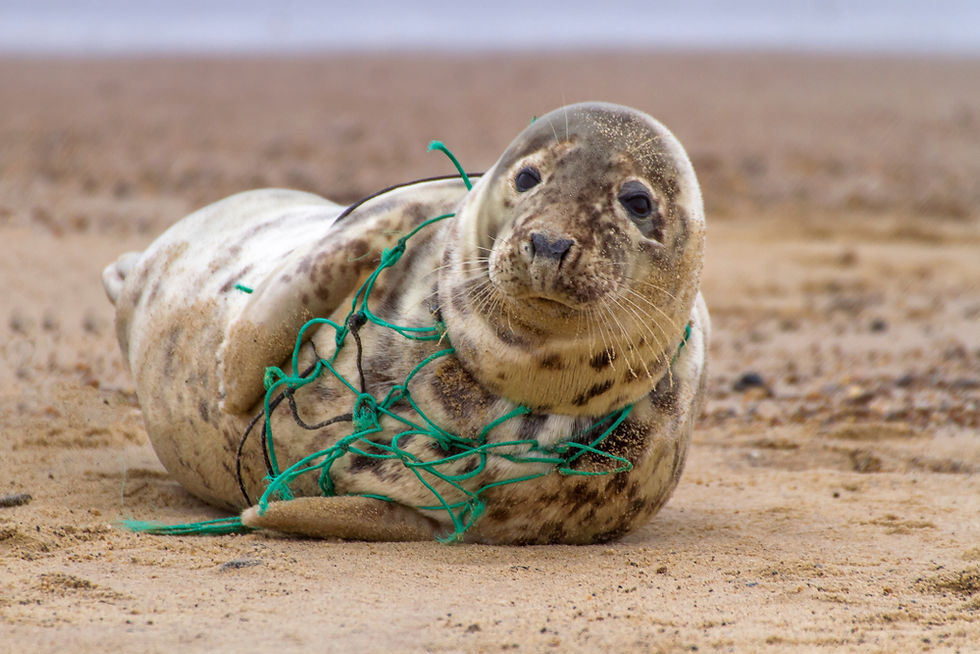
Pollution: Trash, especially plastics, and some types of fuel or cleaning products can poison the sea.
Disrupting natural behavior: Getting too close to whales or chasing dolphins to take a photo can actually stress them out or separate them from their pods.
Anchoring damage: In some areas, dropping anchor over seagrass or coral can destroy vital habitats that animals depend on.
So what can we do — realistically?
You don’t need to be a scientist or activist to help. Here are a few things that anyone spending time on the water can start doing:
Slow down where it matters
In migration zones or near known whale paths, keep your speed low and stay alert. Local marine charts or conservation groups often mark these areas.
Give animals space
If you spot a dolphin or whale, enjoy it — but from a distance. Don’t change course to follow them. Keep your engine noise down if you're nearby. Let them choose to come close, if they want to.
Use eco-friendly gear and products
Choose boat soaps and sunscreens that are reef-safe. Avoid single-use plastics onboard. Store waste properly so nothing blows overboard.
Report sightings and incidents
If you see injured animals, stranded marine life, or even large pods, many coastal conservation groups have apps or hotlines to collect that data. It helps scientists monitor populations.
Support the ones doing the work
Not everyone has time to volunteer, but you can share their efforts, donate, or just talk about what’s happening. Organizations like Whale and Dolphin Conservation or Sea Shepherd rely on visibility as much as funding.
Being a better part of the ocean
We all come to the sea for different reasons — freedom, quiet, sport, work, or just a break from the noise on land. But once we’re out there, we share that space with creatures that don’t have another home.
Taking small steps to reduce harm isn’t about being perfect. It’s about learning, and doing a bit better each time we go out. After all, the sea isn’t just ours — we’re guests too.
What’s New in Marine Protection (September 2025)
Since I first wrote this post, there have been some big updates in the Mediterranean.
Greece announced two very large marine parks: one in the Ionian Sea and one in the Southern Cyclades. In these parks, bottom trawling will be banned, and the country aims to protect 30% of its waters by 2030.
Closer to a sailor’s scale, local groups are also active. Around the island of Amorgos, four new fishing-protected zones were created thanks to a project called Amorgorama, which brought together local fishers, scientists, and NGOs.
At the same time, a recent EU study showed that while marine protected areas exist across the Mediterranean and Black Sea, fishing still happens near or even inside some of these zones. The study highlights the need for stronger enforcement and better management.
For us as sailors, these updates mean simple things: more areas where we may see protection zones marked on charts, more chances to use eco-moorings instead of anchoring, and a reminder that the rules are there to keep the sea alive for all of us.
As sailors, we see the sea not just as a route, but as a home. Every anchorage, every clear bay, every dolphin sighting is part of the reason we sail. The new marine parks, local protection projects, and Posidonia rules may feel like limits at first, but they are actually safeguards. They make sure the sea will still be alive and beautiful for the next voyage, and for the next generation of sailors.
For me, following these rules is not just about compliance. It’s about love for the ocean and respect for everything that lives in it. If we want to keep enjoying this life afloat, then protecting the sea is part of the deal.
👉 If you’d like to read more on this theme, have a look at our post on Posidonia Anchoring Rules in 2025.
And don’t forget to subscribe to our mailing list to get new posts straight to your inbox.